
Position on Water Directive update
Lausunto –

Position for Call for Evidence of targeted revision of Water Framework Directive
The Finnish Association for Nature Conservation (FANC) sees that the Water Framework Directive (WFD) should be strengthened, not weakened; it has significantly contributed to the protection and restoration of healthy ecosystems, public health, and drinking water quality across the European Union. Healthy rivers, wetlands, and aquifers are essential for biodiversity and climate resilience. Furthermore, the Directive’s precautionary approach helps prevent the costly and often irreversible deterioration of water bodies. The WFD also supports sustainable economies, as clean water is the foundation for agriculture, fisheries, tourism, and local livelihoods.
We believe this targeted revision risks undermining essential progress toward ecologically sustainable economies, the circular economy, and planetary boundaries. Falling under the umbrella of the EU Omnibus strategy, the revision is built on the assumption that regulation hinders European progress and that removing ”regulatory friction” will benefit European companies. The critical question is whether Europe will sacrifice its targets for good ecological water status, and whether people and nature will ultimately pay the price for corporate gain. The proposed revision, particularly under the objective of simplifying permitting for Critical Raw Materials (CRM) projects within the RESourceEU action plan, risks weakening core EU environmental law. According to the Call for Evidence, companies view the Directive’s non-deterioration principle as a barrier to permitting. However, from an environmental and public interest perspective, this principle serves as a fundamental safeguard that must not be compromised.
For the Baltic Sea region, the WFD is critical; the sea is highly vulnerable due to limited water exchange and heavy nutrient and toxicant runoff from land-based sources. Consequently, robust freshwater protection is essential to achieving marine environmental objectives, including those under the HELCOM treaty. The Directive is actively implemented by authorities, municipalities, and civil society across all Member States. In the Baltic region specifically, it facilitates transboundary cooperation in river basins and underpins the HELCOM Baltic Sea Action Plan. Weakening the non-deterioration principle or introducing further exemptions could increase the discharge of hazardous substances into surface and groundwater. In the sensitive catchments draining into the Baltic Sea, even marginal increases in pollution can lead to cumulative, long-lasting impacts.
The 2019 EU Fitness Check concluded that the Water Framework Directive (WFD) is fit for purpose and provides significant added value, particularly given the transboundary nature of water systems. While the evaluation identified implementation gaps—such as insufficient funding and enforcement—it did not justify reopening the legal framework. As noted in the Call for Evidence, coordinated EU action is essential to prevent downstream impacts resulting from upstream inaction. The Fitness Check also acknowledged potential for simplifying and reducing the administrative burden without jeopardizing the Directive’s objectives. Further streamlining monitoring and electronic reporting, alongside the increased use of digital and earth observation tools, could alleviate administrative effort. However, such improvements do not require reopening the Directive itself.
While WFD requirements are straightforward, the administration and data collection processes are often complicated by shortcomings in digital tools and the difficulty of assessing the cumulative effects of new activities alongside existing ones. Reopening the WFD would likely create legal uncertainty and lead to uneven implementation across Member States. Furthermore, the ”polluter pays” principle must remain central. Reducing regulatory demands would leave companies more vulnerable than they are under current WFD regulations. The alternative – shifting environmental and public health costs to water utilities, municipalities, and citizens – would allow companies to profit while society and nature suffer the consequences.
Instead, the EU should focus on the full and effective implementation and enforcement of existing rules. Enhancing administrative tools is the key to increasing effectiveness, securing better financing for water protection, and fostering innovation. This approach ensures that Critical Raw Materials (CRM) development fully respects both the non-deterioration and ”polluter pays” principles. In conclusion, the WFD remains a robust and essential framework. Weakening its core provisions to accommodate sectoral interests would undermine environmental protection, public health, and long- term economic sustainability. The WFD sets clear rules that hold polluters accountable and protects the public interest. Maintaining strong WFD ensures accountability.
Finnish Association for Nature Conservation
Anna Soirinsuo
Marine and freshwater expert anna.soirinsuo@sll.fi
Ajankohtaista
-
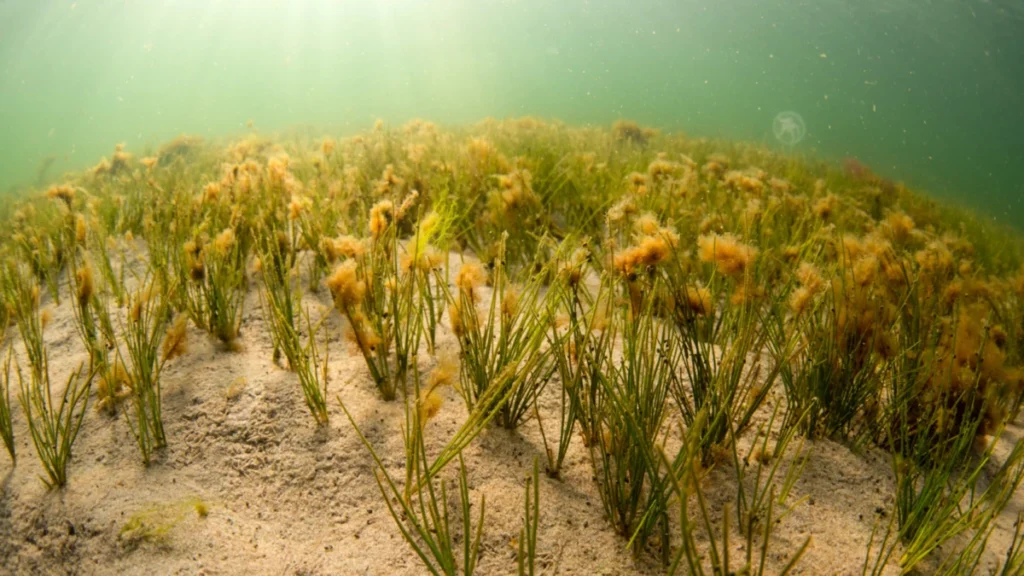
Kuva:Jaakko Ruola Itämeren ennallistamisen varjosuunnitelma
Luontokato ja ilmastonmuutos uhkaavat Itämerta, eikä meren hyvää ympäristön tilaa ole vielä saavutettu. Ympäristöjärjestöjen koalitio CCB julkaisee Itämeren varjosuunnitelman ennallistamiselle, joka syventää HELCOM:in toimintaohjelmaa ja tarjoaa EU:n ennallistamisasetuksen mukaisia konkreettisia keinoja meriluonnon elvyttämiseen aina valuma-alueilta merelle asti.LUE LISÄÄ: Itämeren ennallistamisen varjosuunnitelma -
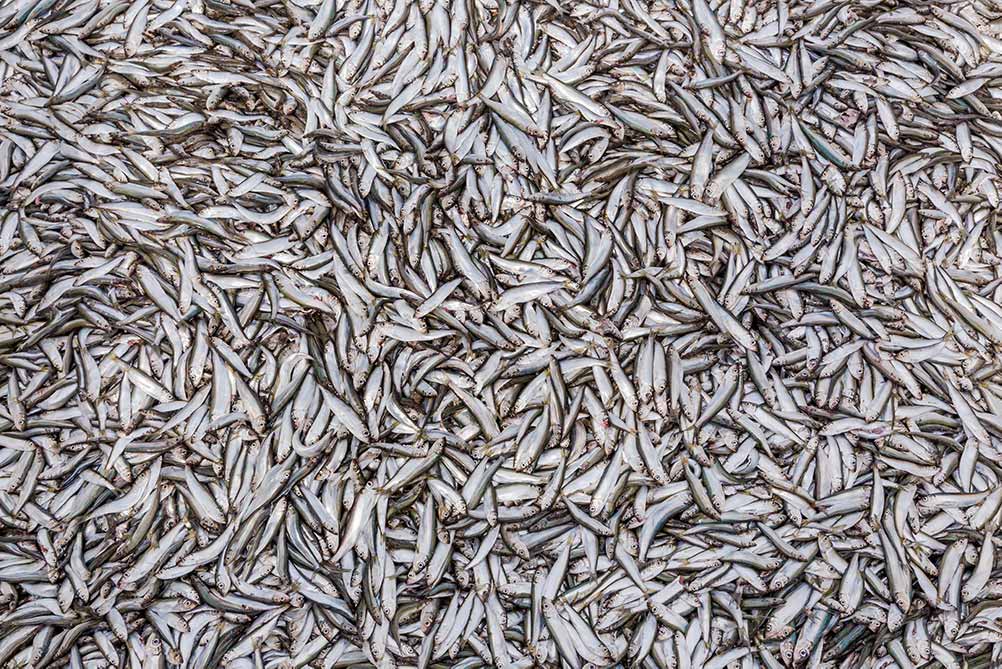
Silakka on Suomen merikalastuksen pääsaalis. Kuva: Juha Sulin / Vastavalo Luonnonsuojeluliiton lausunto Itämeren kalastusmahdollisuuksista vuodelle 2027
Kun lohta ja silakkaa on aiempaa enemmän, keskustelu Itämeren kalastuskiintiöistä on monia aikaisempia vuosia rauhallisempaa. Luonnonsuojeluliitto esitti kuitenkin varovaisuusperiaatteen mukaisia kantoja eduskunnan maa- ja metsätalousvaliokunnalle.LUE LISÄÄ: Luonnonsuojeluliiton lausunto Itämeren kalastusmahdollisuuksista vuodelle 2027 -
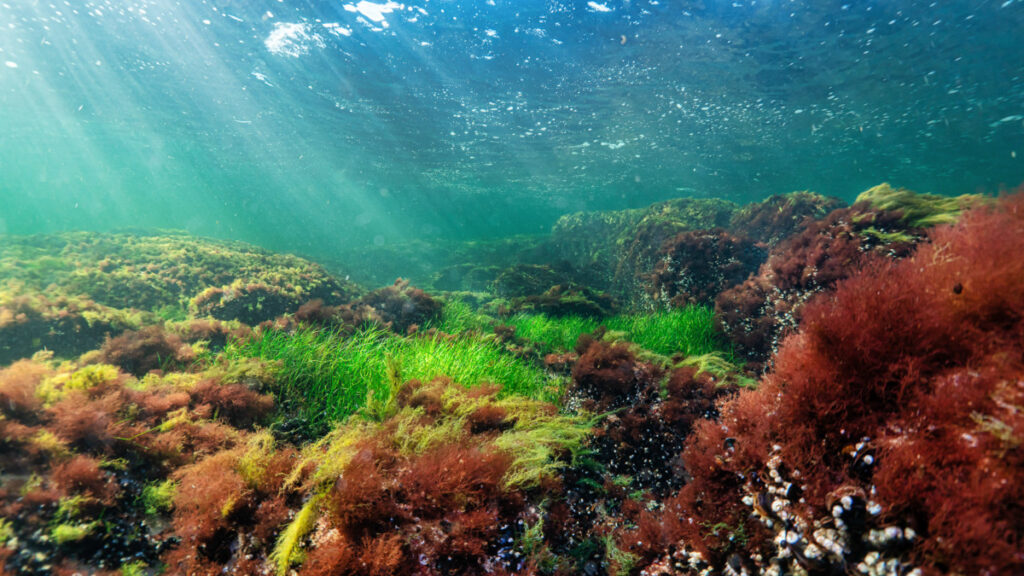
Kuva: Jukka Rapo Itämeren pelastaminen on Suomen seuraavan hallituksen harteilla
Suomi on merkittävästi jäljessä kansainvälisistä merensuojeluvelvoitteistaan. Viivyttely aiheuttaa peruuttamatonta vahinkoa Itämeren herkälle meriluonnolle.LUE LISÄÄ: Itämeren pelastaminen on Suomen seuraavan hallituksen harteilla